![Title: Lift Every Voice and Sing, or, The Harp [Click for larger image view]](http://diglib.library.vanderbilt.edu/cdri/jpeg/lift-every-voice8927xc.jpg)
FOREWORD: I am re-sharing this post from last year regarding what Juneteenth means, and why it matters to us all. Pray, friends, for peace with justice, and for the willingness to let God send us forth, giving those prayers hands and feet and a public voice.
June 19th has long been a famous day in the African-American community, where it is remembered and celebrated as “Juneteenth.” In recent days, more and more white Americans have been brought to realize the significance of this day, as tragic events have brought forcefully and painfully to our national attention America’s original sin of racism and injustice. Juneteenth recalls June 19, 1865, when Union soldiers, led by Major General Gordon Granger, landed at Galveston, Texas with news that the war was over, and that the enslaved were now free. This was over two months after the surrender of General Robert E. Lee on April 9, 1865, and two and a half years after President Lincoln’s Emancipation Proclamation, delivered on January 1, 1863. Yet Black Americans in Galveston remained enslaved until the arrival of General Granger’s regiment overcame local resistance to the idea of liberation.
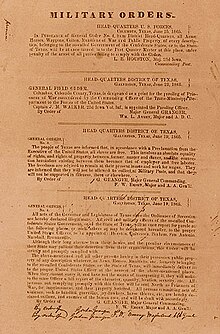
General Granger issued General Order Number 3, which began:
The people of Texas are informed that in accordance with a Proclamation from the Executive of the United States, all slaves are free. This involves an absolute equality of rights and rights of property between former masters and slaves, and the connection heretofore existing between them becomes that between employer and free laborer.
Perhaps we should not be surprised that freedom came so late to Galveston. After all, while the decades following the Civil War saw the passage of the Thirteenth, Fourteenth, and Fifteenth Amendments to the Constitution, promising freedom and equality, they also saw the betrayal of that promise, as with at best the indifference, and at worst the connivance of the federal government, the rights that the Constitution conveyed to all Americans were denied.

Whatever the Constitution said, the social norms of white supremacy were codified in Jim Crow laws, and enforced by horrific violence. The Equal Justice Initiative’s National Memorial for Peace and Justice in Montgomery, Alabama honors the memory of more than 4,400 black people lynched in the United States–hanged, burned, murdered, tortured to death– between 1877 and 1950.
That legacy of violence is not past. In this past year alone, the lynching of Ahmaud Arbery, the police killings of Breonna Taylor and Rayshard Brooks, and most of all, the horrific videos of George Floyd‘s public murder by a Minneapolis police officer, prompted not only a national, but a world-wide outcry against racial injustice and police brutality. Yet sadly, even as justice has prevailed in some of these cases, it remains deferred in others–while new acts of racist violence continue to arise.
Some readers of this blog may be wondering what any of this has to do with the Bible, which is after all the subject of this blog. That, as it happens, is a very good question. It is no accident that nineteenth-century abolitionists did not base their arguments on Scripture. The bulk of the biblical witness seemed to be on the opposite side of the issue–indeed, African slavery was justified then on biblical grounds. After all, both testaments assume the existence of slavery, and the New Testament repeatedly urges slaves to be obedient to their masters (Eph 6:5; Col 3:22; 1 Peter 2:18).
While I was studying for my doctorate at Union Theological Seminary in Virginia, my library carrel was for a time near a tall shelf of books written by Bible scholars teaching and writing at that distinguished Southern school in the years prior to the Civil War. Their books noted, rightly, that the Bible never challenges the institution of slavery. Indeed, some argued that slavery had been a boon for the African people, civilizing these savages and introducing them to the Christian gospel.
What those white antebellum Bible scholars could not see, but new African American Christians could, were texts such as Paul’s statement, “There is neither Jew nor Greek; there is neither slave nor free; nor is there male and female, for you are all one in Christ Jesus” (Gal 3:28). Somehow those distinguished Bible scholars could not see that the heart of the Hebrew Bible–called by philosopher Emil Fackenheim the “root experience” of the Jewish people–was the exodus out of Egypt: God’s action to set slaves free. Sadly, it still remains possible for us to read the Bible from cover to cover and somehow miss the passion for justice that runs like a river from Genesis to Revelation. Similarly, in white America, racism remains invisible to those who, thanks to white privilege, do not–or cannot–see it, over 150 years after that first Juneteenth.
Community and equality, cooperation and justice, mutual respect and mutual regard are biblical principles. Far from being unreachable ideals, they are the only way that the world truly works, reflecting the identity of the Creator, who is in Godself a community of Father, Son and Holy Spirit. When any culture elevates one person, class, or race over another, and exalts taking and having over giving and sharing, life itself breaks down. No wonder our economy, our world, and our church are in trouble!

Thursday, June 17, 2021, President Joe Biden signed the Juneteenth National Independence Day Act, in the East Room of the White House, in Washington, Making Juneteenth at last federal holiday. This Juneteenth, may we Christians embrace the message of freedom which is at the core of the gospel. As Jesus Christ himself has said,” you will know the truth, and the truth will set you free. . . . Therefore, if the Son makes you free, you really will be free” (John 8:31-36).
AFTERWORD:
The photograph at the head of this blog is from “Art in the Christian Tradition,” an on-line gallery linked to the lectionary, managed by The Vanderbilt Divinity School Library. The image comes from The Crisis, the magazine of the NAACP, April 1939. The sculpture by Augusta Savage (1892-1962) appeared in the 1939 New York World’s Fair. It is called “Lift Every Voice and Sing, or, The Harp,” and was inspired by James Weldon Johnson and J. Rosamond Johnson’s hymn, “Lift Every Voice:” sometimes called the African American national anthem.
 This past Sunday was Trinity Sunday. The lectionary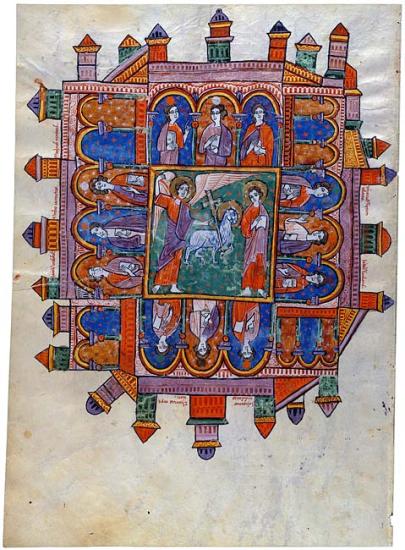
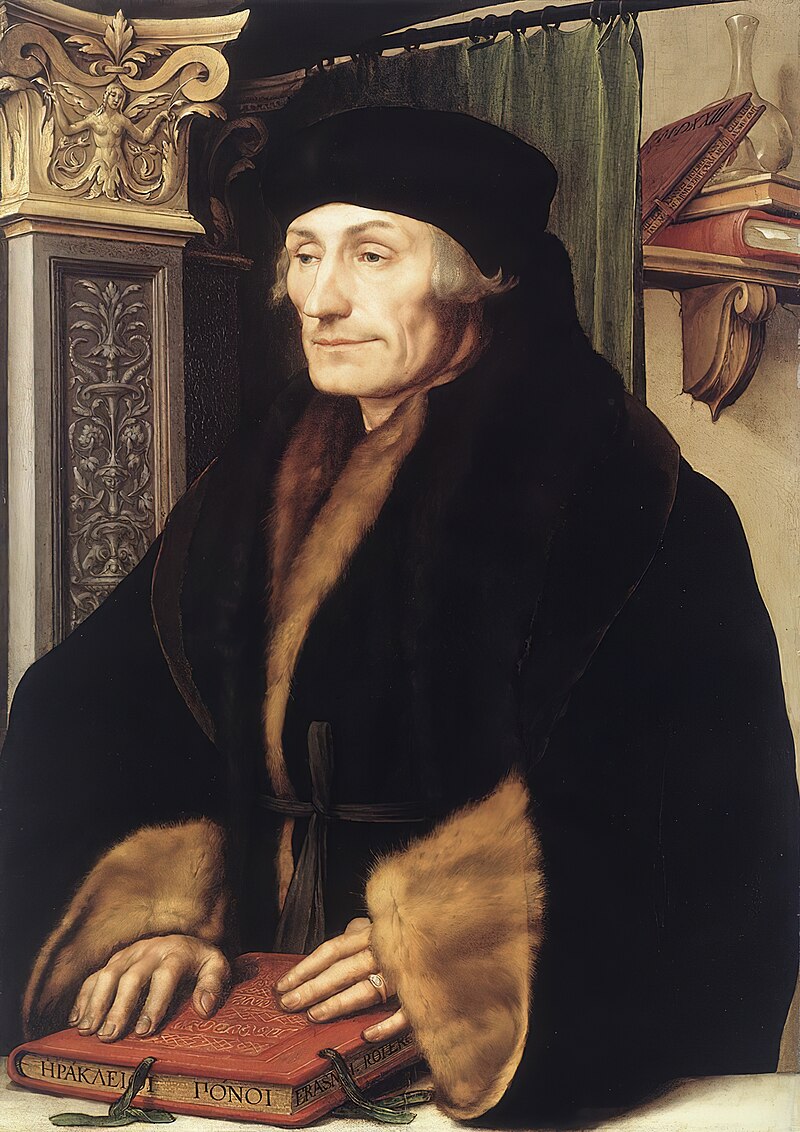 As with 1 John 5:7, this translation is not based on any ancient Greek text of Revelation, but on Erasmus’ sixteenth-century Textus receptus. Erasmus inserts ton sozomenon (“the ones who are saved”) after ta ethne (“the nations”) in Revelation 21:24. Neither the Latin Vulgate nor the majority Byzantine Greek text have this addition. Nestle-Aland’s critical edition of the Greek New Testament Novum Testamentum Graece doesn’t mention this insertion, even as a minor variant to be considered, and Metzger’s Textual Commentary doesn’t even discuss it.
 So, what does text criticism mean to Bible students who do not know the original languages, and so lack access to the many texts behind the text on the page? First, the King James should not be your go-to study Bible. The language of the King James is beautiful and poetic: more often than not, the passages I have committed to memory are from its pages! For its day, the King James was an excellent translation. However, quite apart from the fact that we no longer speak in King James English, the translators in 1611 simply lacked access to the many ancient texts now available. Indeed, the oldest Hebrew manuscripts extant, the so-called Dead Sea Scrolls from Qumran, were unknown before the mid-twentieth century.
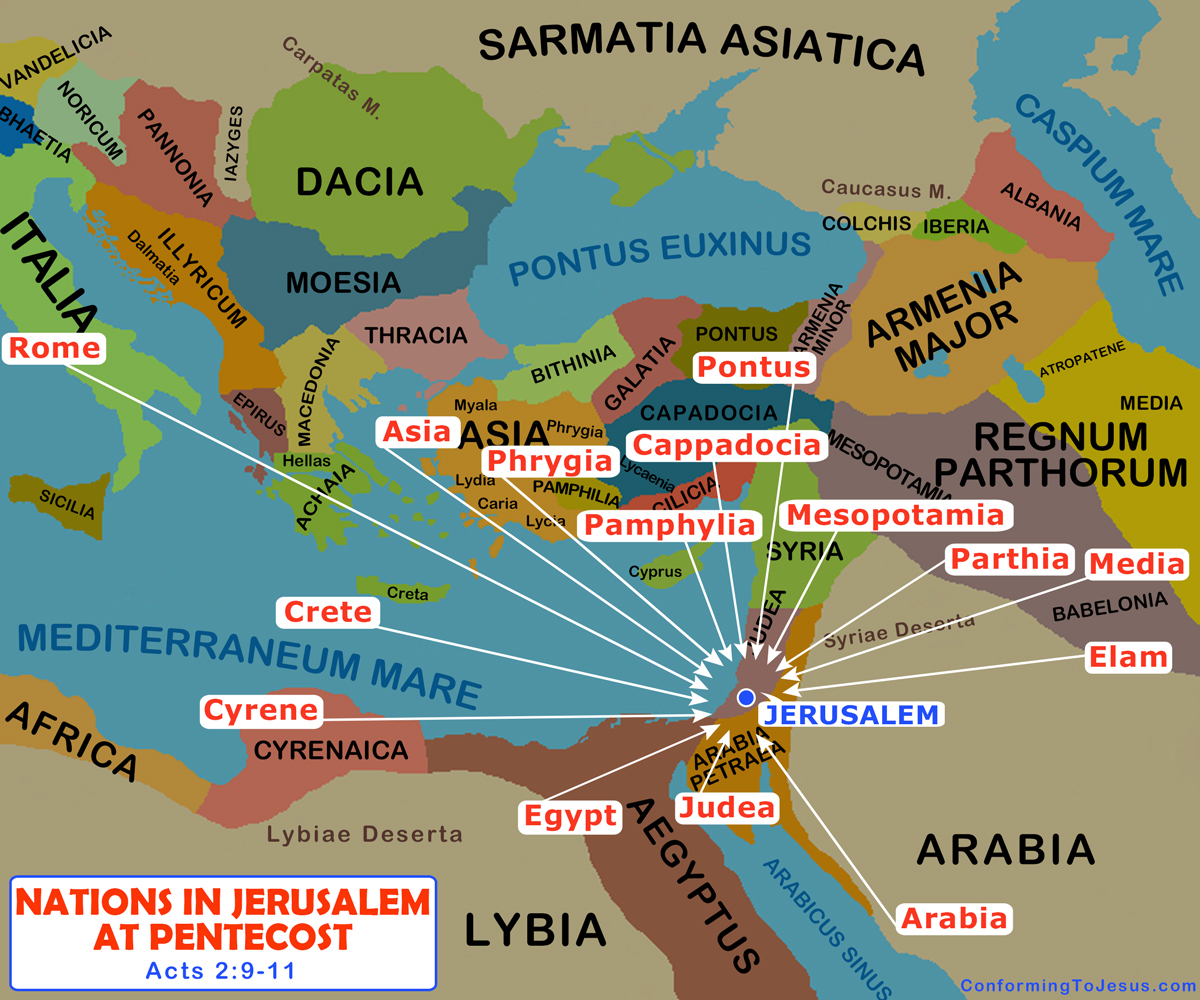
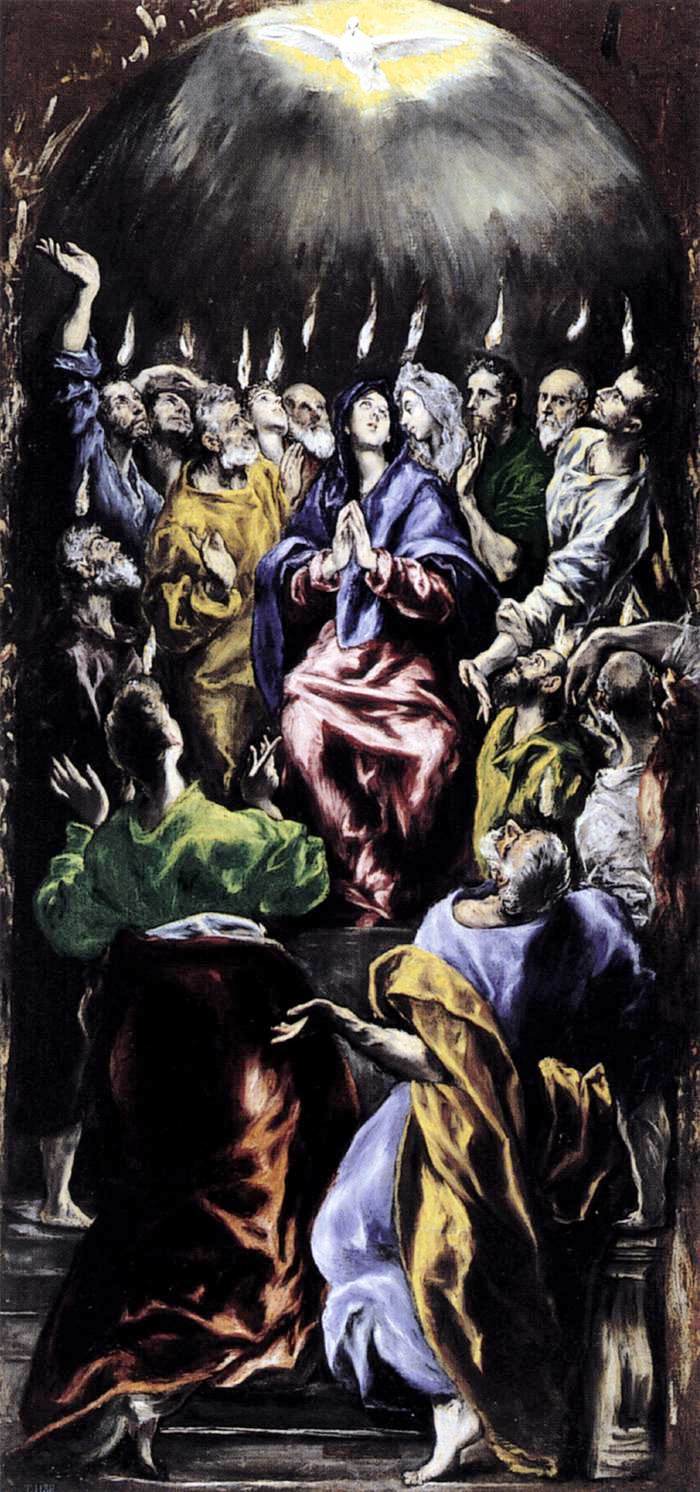 Sunday is Pentecost, which means that bewildered lay readers (and more than a few preachers!) across the church will once again be wrestling with the jawbreaking, tongue-tangling list of place names (go
  Meanwhile, Jesus’ followers were waiting in Jerusalem as he had commanded them (



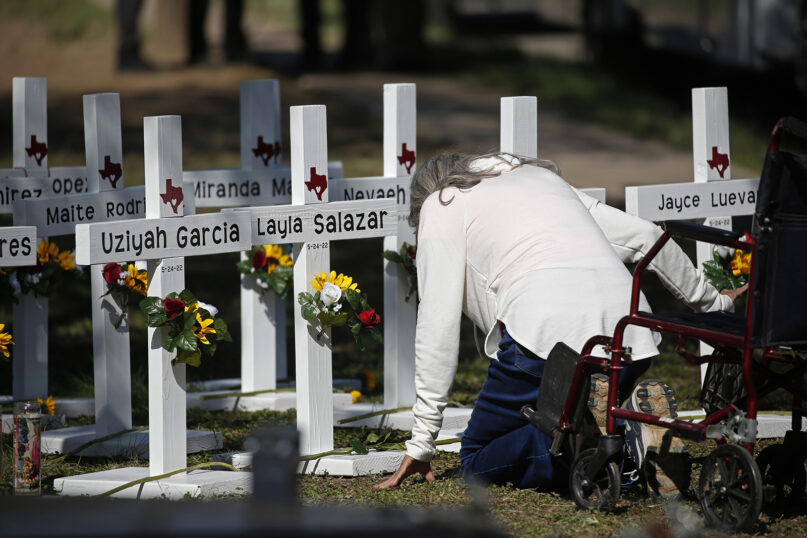


 Recently, I was captivated by a quote from A. J. Jacobs, the author of The Year of Living Biblically (2007), regarding his most recent book, The Puzzler (2022):





![Title: Prophet Miriam [Click for larger image view]](http://diglib.library.vanderbilt.edu/cdri/jpeg/miriam33172410852_bcf5c473db_k.jpg)

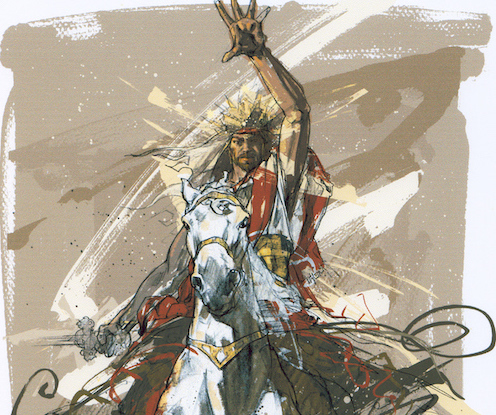


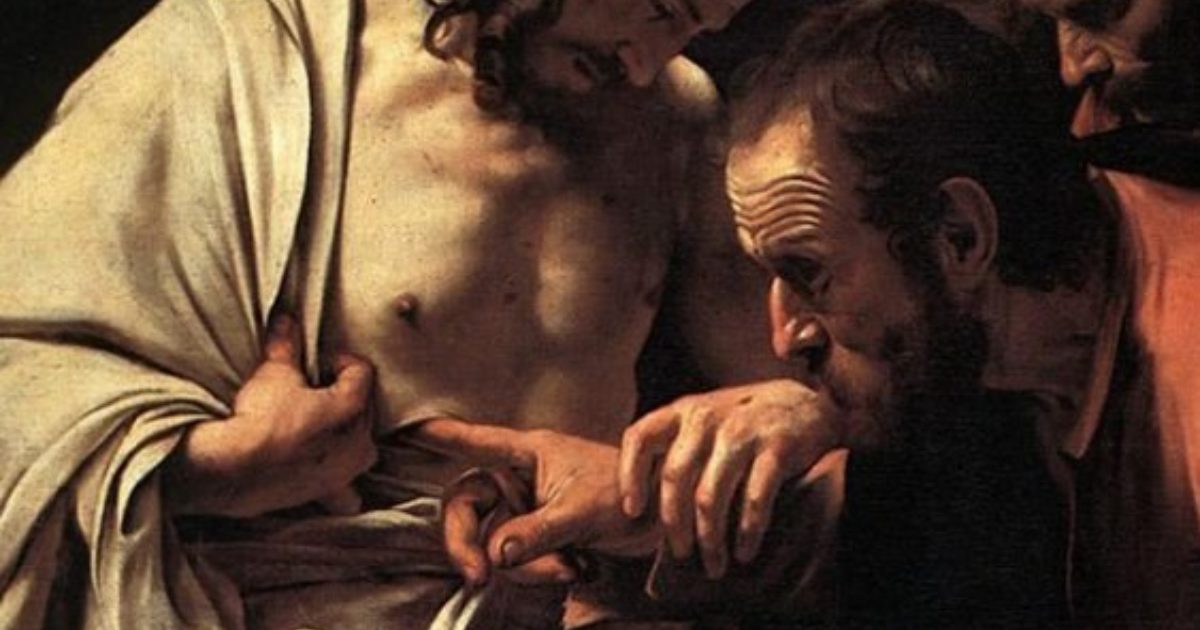
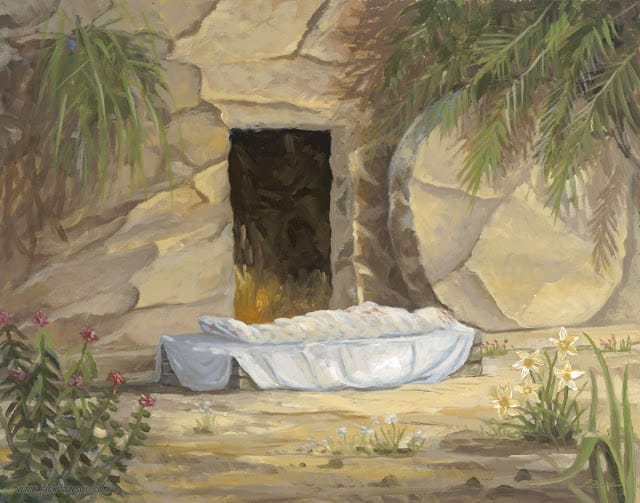
 In the early church, when believers met in this holy season, they would greet one another with a hearty and enthusiastic Christe anesti–“Christ is risen!”–to which the only possible response is Allthos anesti–“He is risen indeed!”
 As we approached Jerusalem
 I am a lectionary preacher–a practice I commend as a way to break out of the hamster wheel of our favorite, comfortable passages and encounter the wideness–and wildness–of the Bible. But I confess that sometimes, the logic of the lectionary escapes me. The only reading from Zechariah in the Revised Common Lectionary is
  Both Matthew and John quote Zechariah 9:9 in their accounts of Jesus’ triumphal entry into Jerusalem (
 As this unit unfolds, it continues to draw distinctions between this king and other, previous kings. Although the humble mount in 9:9 derives from a long tradition of kingly processions involving the king riding an ass (Meyers and Meyers 1993, 129), this passage surely catches the point of that tradition: by riding an ass rather than a war horse or chariot, the king shows humility, and declares that he comes in peace. Yet this time, the prophet declares, this is more than theater! This king truly is humble, and not only comes in peace, but comes to bring peace: a promise our war-torn world desperately needs to hear!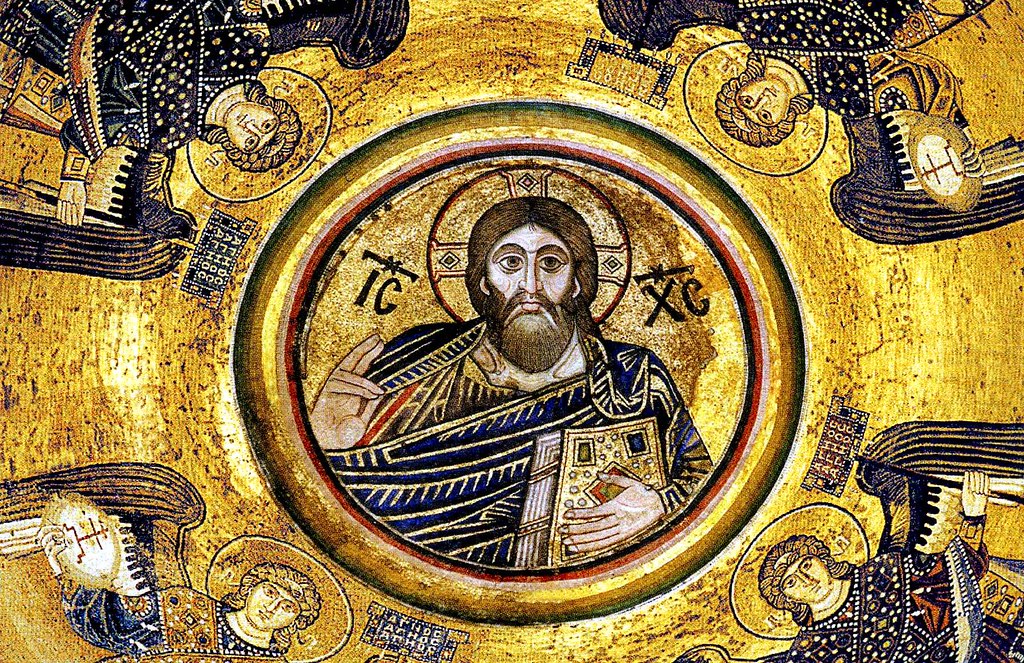


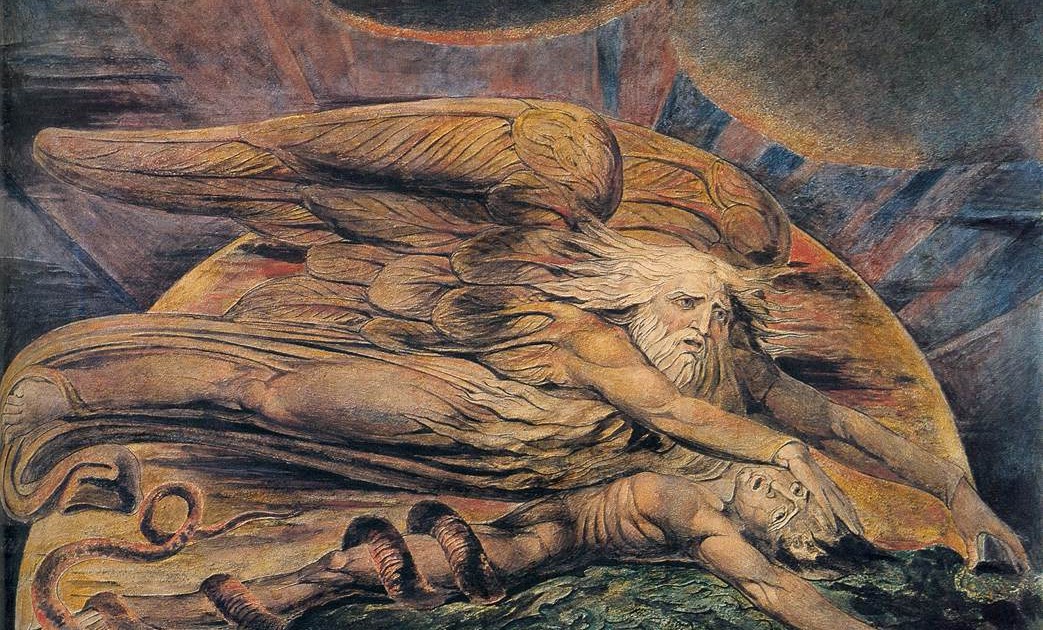

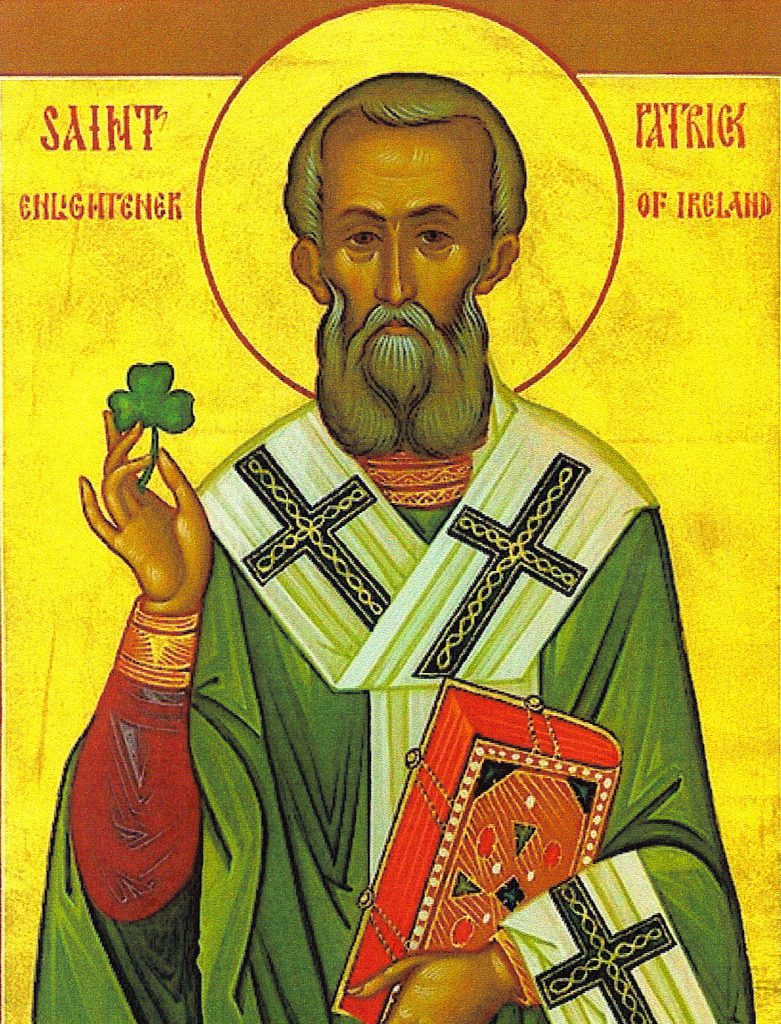


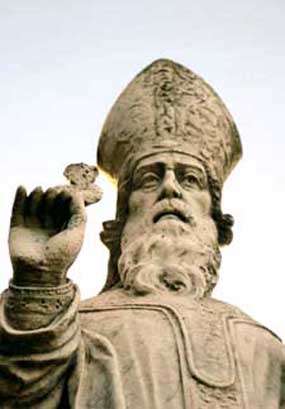
 Patrick embraces a joyful spirituality of nature, wherein a simple herb expresses the mystery of God’s nature, the vibrancy and constancy of wind and water and stone and tree witness to God’s presence and power, and the line between the human world and the animal world, between people and deer, can blur and vanish. This St. Patrick’s Day, may we too seek God first, and so find fulfillment for ourselves and for God’s world.
 The horror and violence of Vladimir Putin’s unprovoked and unjustifiable invasion of Ukraine has, thankfully, unified most of the world in opposition. But it has also seen the resurrection of a read on biblical prophecy that I have not heard since I was a young Fundamentalist, in the days before the fall of the Berlin Wall and the end of the U.S.S.R. Pat Robertson of the 700 Club